Mold
Mold Risk After Flooding: When to Call a Restoration Team vs Wait
After flooding, learn when mold risk means calling a restoration team versus limited waiting—then request help if you cannot dry the home thoroughly.
Expert advice on water, fire, and mold damage: how to respond, what it costs, and how to recover faster in Charlotte and the surrounding area.
After flooding, learn when mold risk means calling a restoration team versus limited waiting—then request help if you cannot dry the home thoroughly.
Learn how residential water damage insurance claims usually work—document, mitigate, and work with restorers—then get help when you need it.
A burst pipe flooded your home? Follow these first-24-hour water damage steps—safety, water shutoff, insurance docs, and when to call restoration pros.
A burst pipe or flooded floor can shut a Charlotte business down for days. Here is how commercial water damage restoration works, why it is different from residential, and how to minimize downtime and business interruption.
Choosing a Charlotte restoration company comes down to IICRC certification, proper license and insurance, 24/7 response, and direct insurance billing. Use this checklist to vet anyone before you sign.
A pipe just burst in your Charlotte home? Shut off the main valve, kill the power, document the damage, and call a crew. Step-by-step emergency response, drying timeline, and prevention.
In most cases you cannot stay home during the first phase of fire restoration due to odor, dust, pack-out, and security issues. Learn when it's unsafe, how ALE pays for housing, and when you can return.
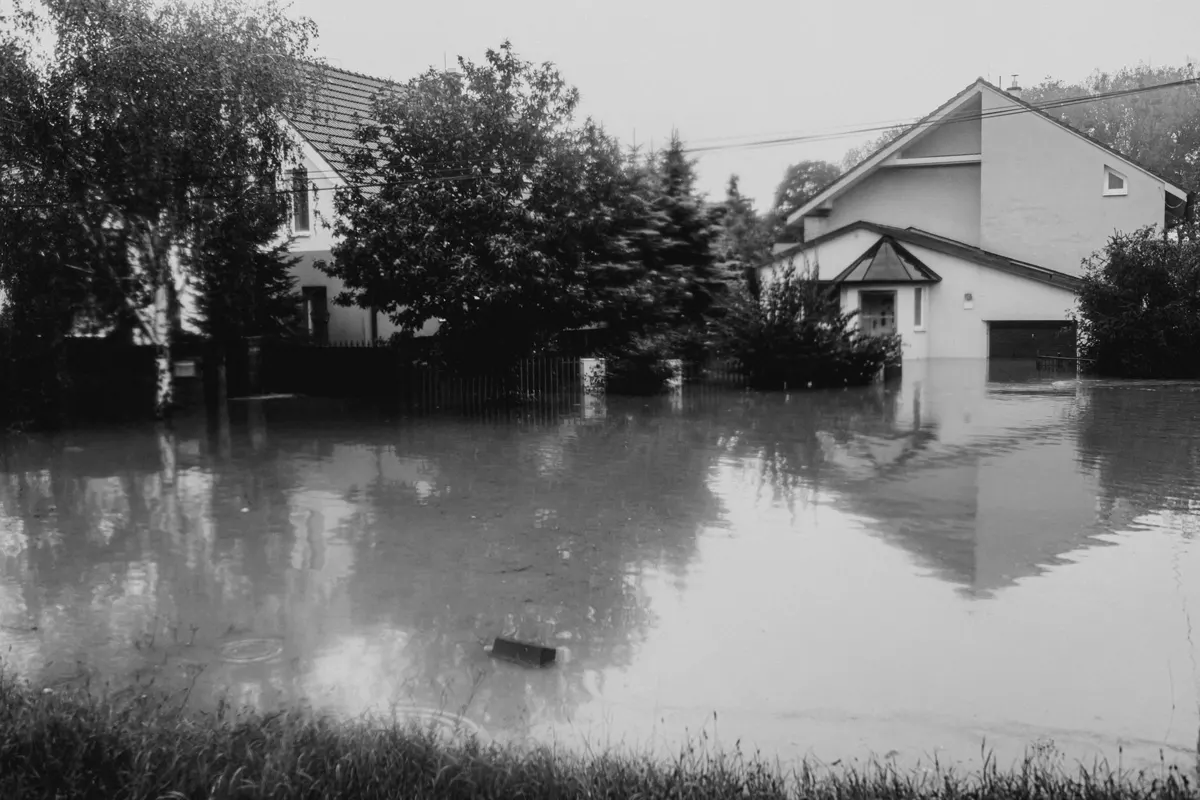
Charlotte's storms, hurricane runoff, and creek flooding cause major water damage. Here's what to do during and immediately after a flood: stay safe, document the loss, take the right first steps, and handle the flood-vs-water-damage insurance gap.
Hit by water damage in Charlotte? Shut off the source, kill the power, document everything, open your claim, and call a crew. The first-hour steps that protect your home and claim.
A small clean-water spill caught fast is safe to handle yourself. Category 2 or 3 water, hidden moisture, or water sitting over 24 hours needs a professional. Here's where the line is.
Yes, fire is a standard covered peril on homeowners insurance. Learn what dwelling, contents, and ALE coverage pay for, the claim process, and how direct billing keeps your out-of-pocket to the deductible.
In NC, mold is usually excluded unless it's a direct result of a covered water event reported in time, or you carry a mold rider. Learn what's covered and how to document a claim.
Most water-damaged Charlotte homes dry in 3 to 5 days of structural drying, but the water category, materials, and humidity can extend it. Here's the day-by-day process and why rushing fails.
The first 48 hours after a house fire decide how much you can save. Here is exactly what to do, in order: stay safe, call your insurer, secure the home, and what never to touch.
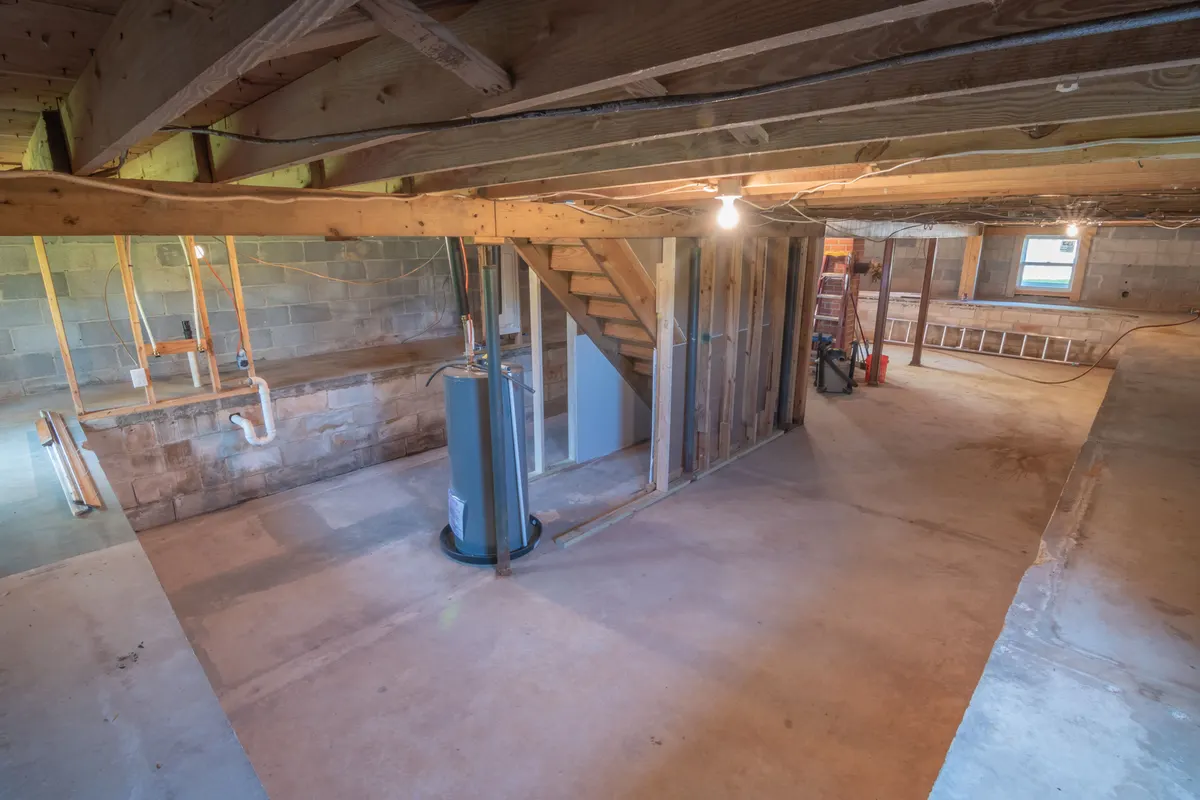
Flooded basement in Charlotte? Stay out of water near power, find the source, and call a crew fast. Mold starts in 24-48 hours. Cleanup steps, cost ranges, and insurance, explained.
Smoke smell lingers because it soaks into porous materials and HVAC ductwork. Here is why DIY masking fails and the professional methods that actually remove fire odor for good.
Keep indoor humidity under 50%, ventilate bathrooms and crawlspaces, fix leaks within 24-48 hours, and dehumidify in summer. A practical mold-prevention guide for Charlotte homes.
NC homeowners insurance usually covers sudden water damage like a burst pipe, but not slow leaks or flooding. See what's covered, what's excluded, and how the claim process works.
Black mold can cause allergy and asthma symptoms and poses more risk to sensitive people. Learn why you should remediate any visible growth and fix the moisture, not chase a species ID.
Inspection finds the mold and its source, testing identifies or confirms it, and remediation removes it. Learn when testing is and isn't worth it, and the full remediation sequence.
Hidden water damage shows up as a musty smell, warped floors, bubbling paint, stains, and a rising water bill. Learn the subtle signs and where water hides in a Charlotte home.
A musty smell, visible spots, a recent water event, or unexplained allergy symptoms are the clearest signs of mold. Learn where it hides and what to do in Charlotte's humidity.
Soot is acidic and reactive, and wiping it the wrong way smears and sets it permanently. Learn the types of soot, the health risks, and the professional process that actually removes it.
Mold can start within 24-48 hours of water damage. Fast extraction and drying is the best mold prevention, and one IICRC-certified crew handles both water and mold.
Prevent Charlotte water and flood damage with clean gutters and proper grading, a battery-backed sump pump, pipe insulation, leak detectors, and a flood policy if you're near a creek. Full checklist inside.
Water damage is graded Category 1 (clean), 2 (gray), or 3 (black) by how contaminated it is. The category sets the health risk, the cleanup procedure, the cost, and your insurance outcome.
Mitigation stops the damage, remediation removes the hazard, restoration rebuilds, and repair fixes the source. Here's what each term means and why it matters for your insurance claim.
Water damage and flood damage are insured differently. Internal water (burst pipe) is on your homeowners policy; rising creek water needs NFIP flood coverage. How to tell which you have.