Water damage restoration vs. remediation: what's the difference?
By DamagePros Direct•
Quick answer
Mitigation is the emergency work that stops the damage from spreading, such as water extraction and structural drying. Remediation removes hazards like contamination and mold. Restoration rebuilds the home back to its pre-loss condition, including drywall, flooring, and paint. Repair fixes the original source of the problem, like the burst pipe. A full water damage job moves through all four stages, and using the right term matters because insurance pays for each phase under different parts of your policy.
Key takeaways
Mitigation is the immediate work to stop damage from spreading: water extraction, structural drying, and protecting unaffected areas.
Remediation is the removal of hazards, including contaminated materials and mold growth.
Restoration is the rebuild that returns the home to its pre-loss condition: drywall, flooring, trim, and paint.
Repair fixes the original source, such as the burst pipe or failed appliance, so the problem does not recur.
The terms matter for insurance because mitigation, remediation, and restoration are documented and billed as distinct phases of a covered claim.
People use the words restoration, remediation, mitigation, and repair as if they mean the same thing. They do not. Each is a distinct stage of getting your home back, and knowing which is which helps you understand the process and protect your insurance claim.
The four terms, defined
Term
What it means
Example
Mitigation
Stop the damage from spreading
Extract standing water, set up drying, tarp a roof
Remediation
Remove the hazard
Tear out contaminated drywall, treat and remove mold
Restoration
Rebuild to pre-loss condition
Hang new drywall, install flooring, paint
Repair
Fix the original source
Replace the burst pipe or failed water heater
Think of it as a sequence: mitigation protects, remediation cleans, restoration rebuilds, and repair makes sure it does not happen again.
Mitigation: stop the bleeding
Mitigation is the emergency phase, and it is the most time-sensitive. The goal is simple: keep the loss from getting bigger. That means extracting standing water, setting industrial air movers and dehumidifiers for structural drying, removing soaked materials that hold water, and protecting unaffected rooms. In Charlotte’s humidity, mold can begin within 24 to 48 hours, so mitigation done fast is what keeps a water loss from becoming a mold loss.
Remediation: remove the hazard
Remediation goes beyond drying. It is the removal of anything hazardous or unsalvageable: contaminated Category 2 or 3 materials, sewage-affected porous items, and active mold growth. Remediation can require containment barriers and personal protective equipment, and it always ends with the affected area being clean and safe, not just dry.
Restoration: rebuild to pre-loss condition
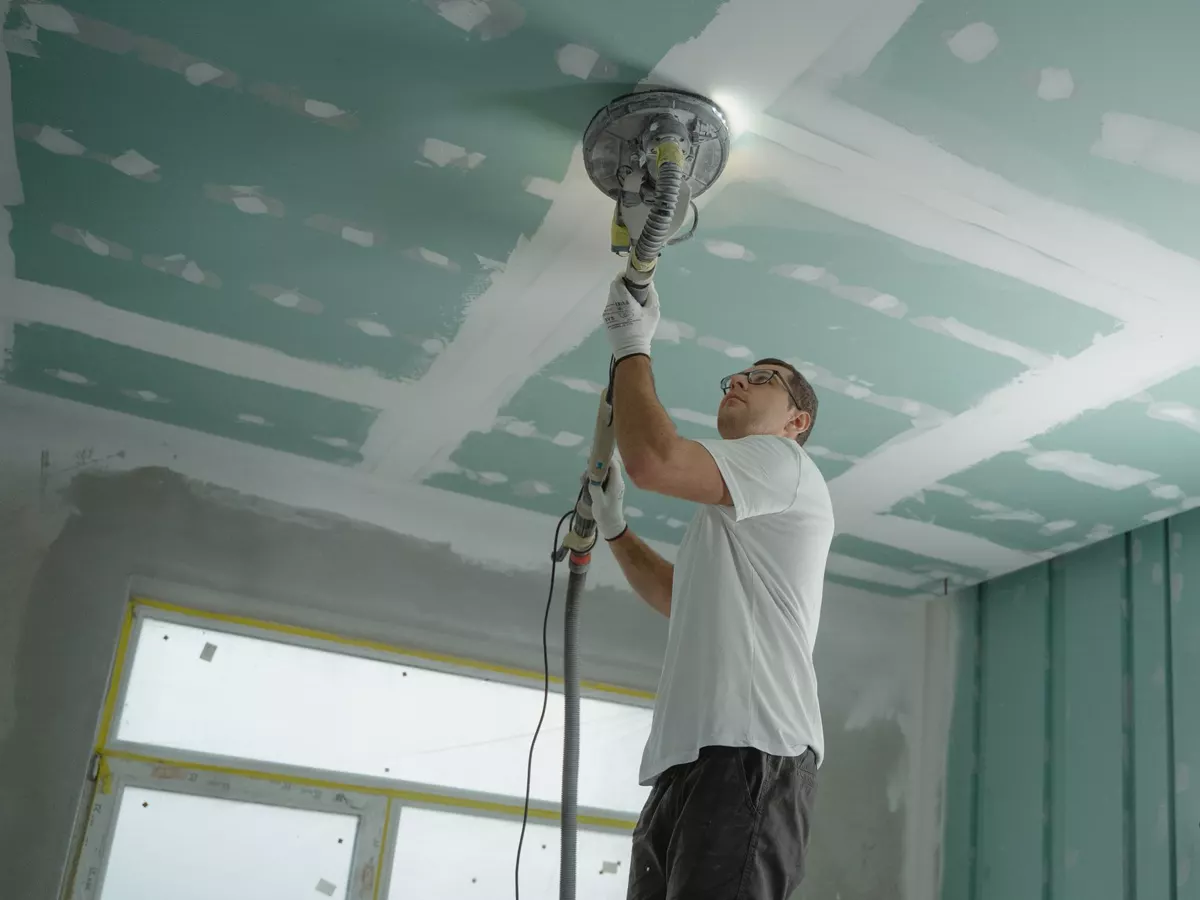
Restoration is the rebuild. Once the structure is dry and any hazards are removed, restoration puts the home back the way it was: new drywall, flooring, baseboards, cabinetry, and paint. This is the phase homeowners picture when they imagine the home being whole again, and it is the last to happen because you cannot rebuild over wet or contaminated material.
Repair: fix what caused it
Repair addresses the original source so the loss does not repeat. If a burst supply line flooded the kitchen, the line gets replaced. If a failed water heater caused it, the appliance is dealt with. Skipping the source repair means restoring beautifully right before the same failure soaks everything again.
Why the right term matters for insurance
This is not just vocabulary. Insurance treats these as separate, documented phases:
Mitigation is often expected immediately. Policies require you to take reasonable steps to limit the loss, and failing to mitigate can reduce your payout.
Remediation is documented as hazard removal, with its own scope and line items.
Restoration is reimbursed against the rebuild scope.
When the phases are documented correctly, with photos, moisture logs, and a clear scope, the claim moves faster and pays correctly. When everything is lumped together as vague “repairs,” it invites questions and delays. The crews we match you with handle mitigation, remediation, and restoration as one continuous process and document each phase for your adjuster, billing the carrier directly so your out-of-pocket is usually just the deductible.
If you are facing water damage and are not sure where you are in this sequence, the pro we match you with will walk you through it on site. See our Charlotte water damage restoration page for the full process, or get help now and we’ll match you with a local crew right away.
Damage in Charlotte right now?
Our IICRC-certified crews are on call 24/7. Free assessment, insurance handled.
What is the difference between water mitigation and water restoration?+
Mitigation is the emergency phase that stops further damage, mainly extracting standing water and drying the structure so mold and rot cannot set in. Restoration is the rebuild phase that comes later, putting the home back to its pre-loss condition with new drywall, flooring, trim, and paint. Mitigation protects what is there; restoration replaces what was lost.
Is remediation the same as restoration?+
No. Remediation is the removal of hazards, such as contaminated materials and mold, so the space is safe. Restoration is the reconstruction that follows, returning the home to how it looked before the loss. A contaminated or moldy job is remediated first, then restored. Many jobs use the words loosely, but the work and the insurance documentation treat them as separate steps.
Why do the terms matter for an insurance claim?+
Adjusters and policies treat mitigation, remediation, and restoration as distinct phases with their own documentation and line items. Mitigation is often expected immediately to limit the loss, and failing to mitigate can reduce a payout. Restoration is reimbursed against the scope of the rebuild. Using the correct terms and documenting each phase, which the crew we match you with handles, helps the claim get approved and paid correctly.
Does one company handle all four stages?+
It can, and that is the cleaner path. The crews we match you with handle mitigation, remediation, and restoration in one continuous process and coordinate the source repair so nothing falls through the cracks between separate contractors. Keeping it under one team also keeps the documentation consistent for your insurance claim.
How long does the whole process take?+
Mitigation and drying typically run 3 to 5 days. Remediation of contamination or mold adds time depending on scope. Restoration, the rebuild, depends on how much material was lost and can range from a few days for a single room to several weeks for a large loss. The company we match you with gives you a timeline after the on-site inspection.