To prevent mold in Charlotte, keep indoor humidity below 50% with air conditioning and dehumidifiers, ventilate bathrooms and kitchens, control moisture in crawlspaces and basements, and fix any leak within 24 to 48 hours before mold can start. Because Charlotte summers push humidity above 70%, mold prevention is a year-round effort, not just a post-flood concern.
Key takeaways
Keep indoor humidity below 50%; mold thrives above that, and Charlotte summers push outdoor humidity past 70%.
Fix leaks fast: mold can begin within 24 to 48 hours of materials getting wet.
Ventilate moisture sources, run bathroom exhaust fans during and after showers, and vent the kitchen and dryer outdoors.
Crawlspaces and basements are the highest-risk zones; a sealed/encapsulated crawlspace and a dehumidifier make a big difference.
Mold prevention in Charlotte is year-round, not just after a flood, because of the persistent warm-season humidity.
Charlotte’s climate is practically built for mold: warm, humid summers, frequent storms, and plenty of older homes with crawlspaces and basements. The good news is that prevention is largely about controlling moisture, and most of it is in your hands. Here is how to keep mold out.
Control indoor humidity (the single most important step)
Mold needs moisture, and Charlotte gives it plenty. Outdoor humidity routinely tops 70% in summer, so the goal indoors is to stay below 50% relative humidity.
Run your air conditioning through the warm months; it dehumidifies as it cools.
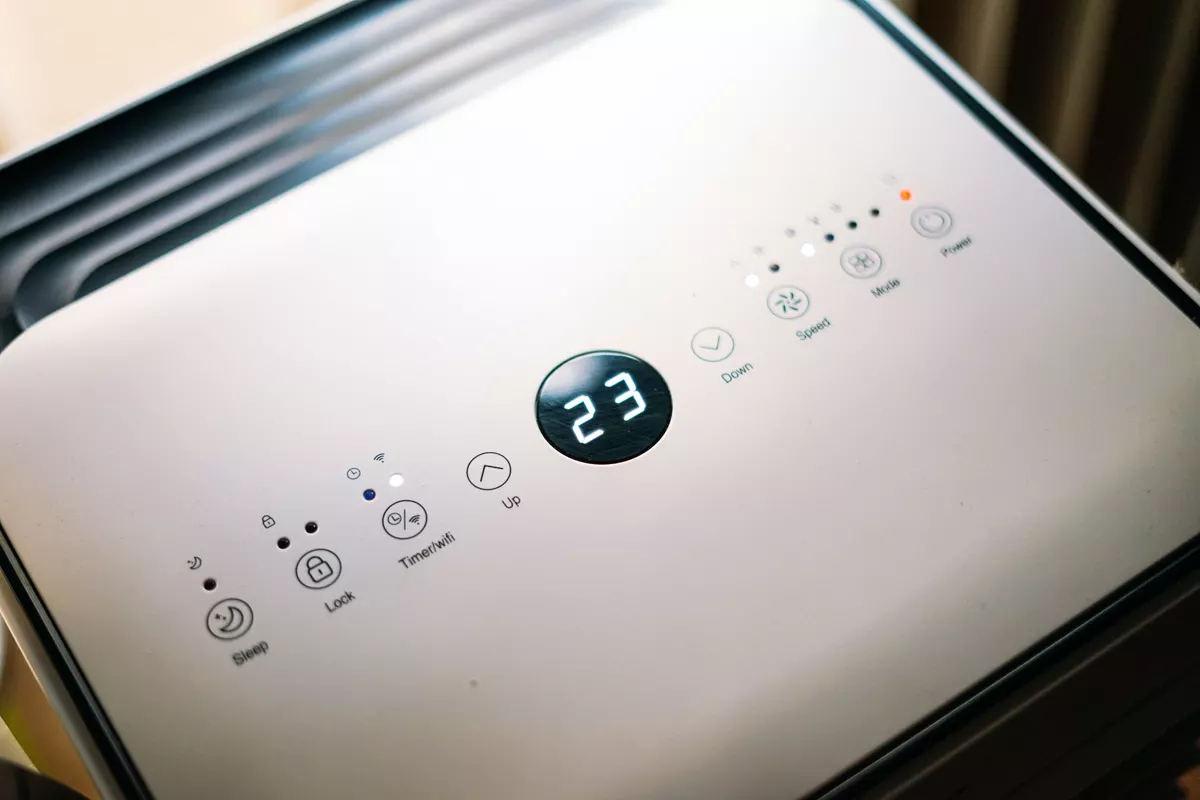
Add a dehumidifier in damp zones (basements, crawlspaces, laundry rooms).
Track it with an inexpensive hygrometer so you know when humidity is creeping up.
Aim for the 30% to 50% range year-round.
Fix leaks within 24 to 48 hours
This is non-negotiable in Charlotte’s climate: mold can begin within 24 to 48 hours of materials getting wet, and the region’s warmth shortens that window. Whether it is a dripping supply line, a slow roof leak, or water after the kind of December 2025 deep-freeze pipe bursts the area saw, dry it fast and completely. Drying the surface is not enough if water soaked into drywall or subfloor; those cavities need to dry too, or mold starts where you cannot see it.
Ventilate every moisture source
Trapped humid air is mold fuel. Vent it out:
Area
Prevention move
Bathrooms
Run the exhaust fan during showers and 15–20 minutes after
Kitchen
Use a range hood vented outdoors when cooking
Laundry
Confirm the dryer vents fully to the outside
Whole home
Move air with fans and avoid blocking return vents
If a bathroom has no exhaust fan or only a recirculating one, adding one vented outside is one of the highest-value upgrades you can make.
Protect crawlspaces and basements
These are the highest-risk zones in a Charlotte home. Crawlspaces pull in ground and outside moisture, basements collect it, and both stay dark and still. To reduce the risk:
Encapsulate the crawlspace with a vapor barrier to block ground moisture.
Add a dedicated dehumidifier to keep the space dry.
Watch for standing water after storms, especially near Sugar, Briar, and Little Sugar Creek and the Catawba River basin around Gastonia.
In the Lake Norman and Huntersville area, account for the extra ambient moisture near the water.
Treat prevention as year-round
A common mistake is treating mold as a “deal with it after a flood” problem. In Charlotte, the persistent warm-season humidity means mold can take hold without any dramatic water event at all, just steady dampness. Keep humidity controlled, ventilation running, and leaks fixed fast through every season, not only after a storm.
When prevention is not enough
Even careful homeowners get caught by a hidden leak or a humid crawlspace. If you start smelling that musty odor or spotting growth, the cheapest outcome comes from acting early. The IICRC-certified crews we match you with can inspect, find the moisture source, and stop the spread before it becomes a whole-house job.
For the full picture on professional removal, see our Charlotte mold remediation page. If you already suspect mold, get help now and we will match you with a local crew right away.
Damage in Charlotte right now?
Our IICRC-certified crews are on call 24/7. Free assessment, insurance handled.
Keep indoor relative humidity below 50%, and ideally between 30% and 50%. Mold growth accelerates above that range, and Charlotte's summer humidity regularly tops 70% outdoors. A hygrometer (an inexpensive humidity gauge) lets you monitor the level, and a dehumidifier or properly sized air conditioning brings it down when it climbs.
How fast can mold grow after water damage?+
Mold can begin to grow within 24 to 48 hours of materials getting and staying wet, and Charlotte's warmth and humidity make that window shorter. That is why fast extraction and drying after any leak or flood is the single most effective way to prevent mold from taking hold.
Does a dehumidifier prevent mold?+
Yes, a dehumidifier is one of the most effective tools, especially in basements, crawlspaces, and during humid Charlotte summers. By keeping relative humidity below 50%, it removes the moisture mold needs to grow. Pair it with good ventilation and prompt leak repairs for the best results.
Why is my Charlotte crawlspace a mold risk?+
Crawlspaces collect ground moisture, often lack ventilation, and stay dark, which is exactly what mold needs. In Charlotte's humid climate, an open or vented crawlspace can pull damp outside air in during summer. Encapsulating the crawlspace with a vapor barrier and adding a dehumidifier dramatically reduces the risk and protects the floor structure above it.
How do I prevent bathroom mold?+
Run the exhaust fan during every shower and for 15 to 20 minutes afterward to clear the steam, squeegee or wipe down wet surfaces, fix any plumbing drips quickly, and keep grout and caulk in good repair. If your bathroom has no exhaust fan or only a recirculating one, adding a fan vented to the outside is one of the best mold-prevention upgrades you can make.