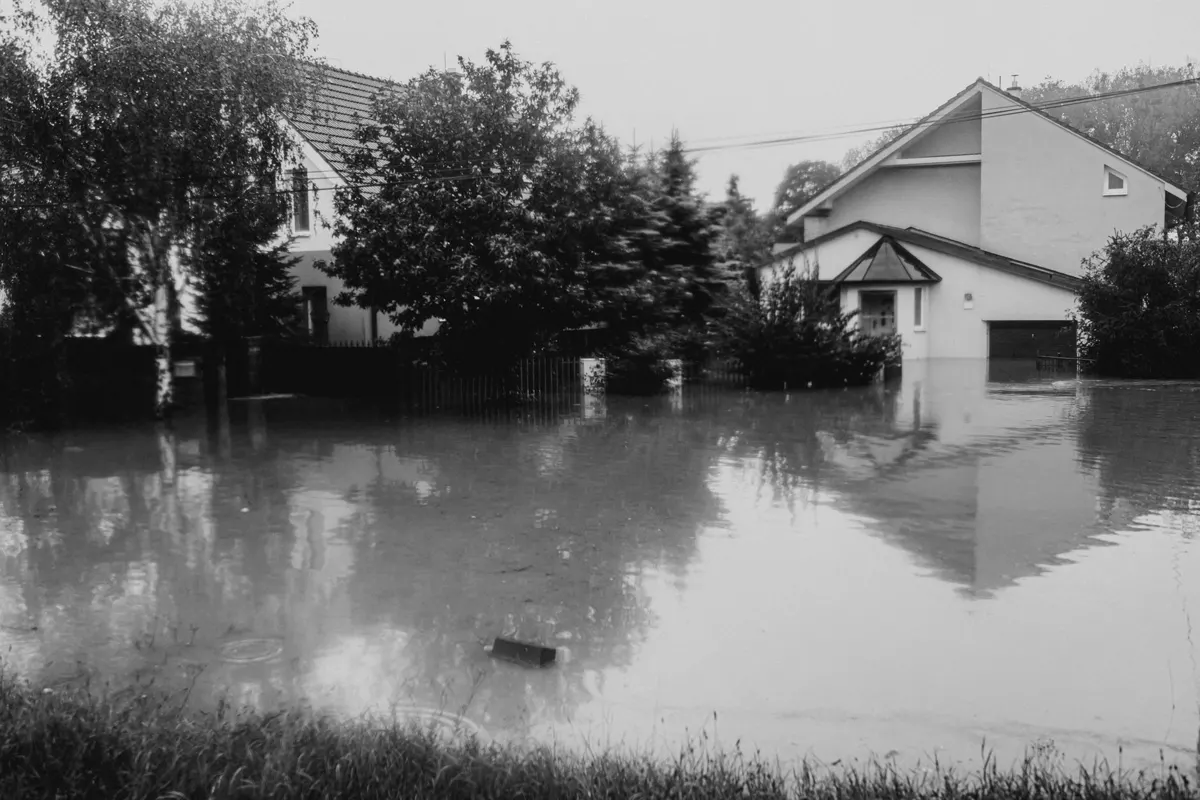
Water damage vs. flood damage: what insurance actually covers
By DamagePros Direct•
Quick answer
Water damage and flood damage are covered by two completely different policies. Internal water damage (a burst pipe, a leaking appliance, a storm-driven roof leak) is covered by your standard homeowners policy. Flood damage, meaning water that rises from outside and onto your property from creeks, storm runoff, or overflowing waterways, is excluded from homeowners insurance and requires a separate NFIP or private flood policy. In Charlotte, water from Sugar, Briar, or Little Sugar Creek overrunning its banks counts as flood, not standard water damage.
Key takeaways
Internal water damage (burst pipe, appliance, roof leak) is covered by standard homeowners insurance.
Flood damage (water rising from outside, creeks, storm runoff) is excluded and needs separate NFIP or private flood coverage.
The key test: did the water originate inside the home, or rise up from the ground/outside?
In Charlotte, Sugar/Briar/Little Sugar Creek overruns are flood events, not standard water damage.
NFIP policies typically have a 30-day waiting period, so you can't buy coverage once a storm is coming.
The cleanup and drying process is similar for both; the difference is entirely which policy pays.
After a loss, “water damage” and “flood damage” sound like the same thing. To your insurance company they are two entirely different events, paid by two different policies. Knowing which one you have is the difference between a covered claim and a denied one.
The core difference
The distinction comes down to where the water came from:
Water damage
Flood damage
Source
Inside the home or its systems
Outside, rising surface water
Examples
Burst pipe, appliance failure, roof leak
Creek overrun, storm runoff, storm surge
Covered by
Standard homeowners policy
Separate NFIP or private flood policy
Typical water category
Often Cat 1 or Cat 2
Often Cat 3 (contaminated)
If the water started inside, it is water damage. If it rose up from the ground or flowed in from outside, it is flood.
Why Charlotte creek overruns count as flood
Charlotte’s waterways are the reason this matters locally. When Sugar Creek, Briar Creek, or Little Sugar Creek overrun their banks after heavy rain, the water that enters nearby homes is rising surface water, which is the textbook definition of flood. That damage is not covered by a standard homeowners policy, no matter how sudden the storm was. The same is true of sheet runoff that pools against a foundation and pushes in. Many of these losses hit homes that are not even in a mapped high-risk flood zone.
How to tell which one you have
Walk it back to the source:
Is there a failed pipe, fixture, or appliance? That points to water damage.
Did wind or hail open the roof and let storm water in? Usually still water damage.
Did water rise up through the floor, foundation, or doors from outside? That is flood.
Was a creek, storm drain, or runoff involved? Flood.
Did multiple properties in the area take on water at once? Often a flood event.
The crew we connect you with documents the source and water category as part of every assessment, because that record is what the correct claim is built on.
What flood coverage looks like (NFIP and private)
Standard homeowners policies exclude flood, so coverage comes from:
NFIP (National Flood Insurance Program) policies, the most common option, written through participating insurers.
Private flood insurance, which can offer higher limits or broader terms.
Two things Charlotte homeowners should know: NFIP policies usually carry a 30-day waiting period, so you cannot buy a policy once a storm is in the forecast, and coverage limits and what counts as “contents” versus “building” can vary, so it is worth reading before you need it.
The cleanup is the same; the claim is what changes
Whether the water is internal or floodwater, the restoration work follows the same path: extraction, metered structural drying, antimicrobial treatment, and rebuild. Floodwater is more often contaminated, so it more frequently requires containment and disposal of porous materials, but the core process is consistent. The practical difference for you is which policy pays, which is exactly why the pro we match you with nails down the source at the start.
If your home has taken on water and you are not sure whether it is a homeowners or flood claim, see our Charlotte water damage restoration page or get help now. The local pro we match you with will assess the source, document it correctly, and start drying immediately so the loss does not grow while the coverage question gets sorted out.
Damage in Charlotte right now?
Our IICRC-certified crews are on call 24/7. Free assessment, insurance handled.
What's the difference between water damage and flood damage?+
Water damage comes from inside your home or its systems, such as a burst pipe, an overflowing appliance, or a roof leak. Flood damage comes from outside, when surface water rises and enters the property, such as a creek overrunning its banks or heavy storm runoff pooling and entering the home. Homeowners insurance covers the first; you need a separate flood policy for the second.
Is flood damage covered by homeowners insurance?+
No. Standard homeowners policies in North Carolina specifically exclude flood, defined as rising surface water. To be covered for flooding you need a National Flood Insurance Program (NFIP) policy or a private flood policy. This is the single most common coverage gap homeowners discover only after a flood.
How do I know if my damage is water or flood?+
Ask where the water came from. If it originated from a pipe, appliance, fixture, or a wind/hail-opened roof, it's water damage on your homeowners policy. If it rose up from the ground or came in from outside (a swollen creek, sheet runoff, storm surge), it's flood and falls under a flood policy. The crew we match you with documents the source as part of the loss assessment, which matters for whichever claim applies.
Do I need flood insurance in Charlotte?+
If your property is near Sugar Creek, Briar Creek, Little Sugar Creek, or any waterway, or in a low-lying area that collects runoff, flood insurance is worth strong consideration even outside a mapped high-risk zone. Many Charlotte flood losses happen to homes not in a designated flood plain. NFIP policies usually carry a 30-day waiting period, so it has to be in place before a storm, not during one.
Does the cleanup process differ for flood vs water damage?+
The restoration work is largely the same: extraction, structural drying, antimicrobial treatment, and rebuild. Flood water is more often Category 3 (contaminated), so it more frequently requires containment, PPE, and disposal of porous materials. The bigger practical difference is which insurance policy pays, which is why identifying the source correctly from the start matters.