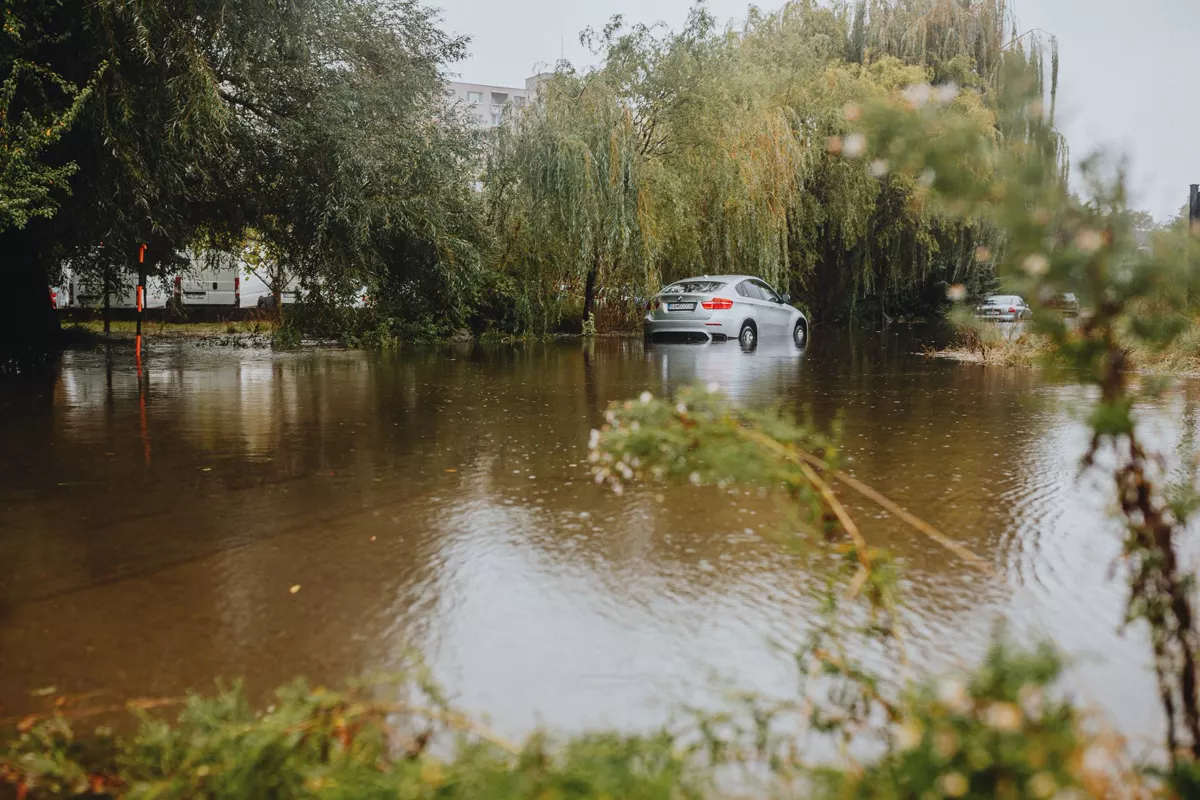
Storm and flood water damage in Charlotte: what to do during and after
By DamagePros Direct•
Quick answer
Charlotte's worst storm-season water damage comes from heavy rain, hurricane runoff, and Sugar, Briar, and Little Sugar Creek overrunning into homes. During and immediately after a storm, stay out of standing floodwater, shut off power to affected areas if you can do so safely, document everything with photos and video before cleanup, and call an IICRC-certified crew right away. Surface flooding is treated as Category 3 black water and is usually excluded from standard homeowners insurance, so it needs separate NFIP or private flood coverage.
Key takeaways
Charlotte's biggest storm-season threats are heavy rain, hurricane runoff, and Sugar, Briar, and Little Sugar Creek overrunning into nearby homes.
Safety first: stay out of standing floodwater, and shut off power to affected areas only if you can reach the panel without stepping into water.
Document everything with photos and video before you move or clean anything, then open your claim and call a crew.
Floodwater from creeks and storm runoff is treated as Category 3 black water and is never safe to clean up with household supplies.
Standard homeowners insurance usually excludes surface flooding; that damage requires a separate NFIP or private flood policy, while a wind-driven roof leak is typically covered.
Charlotte’s storm season turns water damage from an occasional plumbing accident into a neighborhood-wide event. Between summer thunderstorms, the tail ends of hurricanes pushing inland, and creeks that overrun their banks, the threat is real and seasonal. Getting ahead of it starts with preventing water and flood damage before the season. This guide covers the other half: what to do during and immediately after a storm floods your home, and where insurance trips people up.
How storms flood Charlotte homes
The damage comes from a few predictable sources:
Heavy rain and runoff overwhelming gutters, storm drains, and foundations, pushing water into basements and crawlspaces.
Hurricane remnants moving inland and dumping days of rain on already-saturated ground.
Creek flooding. When Sugar Creek, Briar Creek, and Little Sugar Creek overrun their banks, water enters homes in low-lying areas, often as a flooded basement. This is the most dangerous source, because that water is Category 3 black water.
Roof and window failures from wind, letting rain pour in from above.
Knowing which of these you are exposed to, especially proximity to a creek, tells you how seriously to take storm prep.
Storm prep is its own job. Clearing gutters and storm drains, testing the sump pump and its backup, checking the grade around your foundation, and moving valuables off the basement floor are all covered in our Charlotte flood damage prevention guide. Do that work before the forecast turns. The rest of this guide is about the moment prevention runs out and water is already coming in.
During and after the storm: respond safely
When water gets in, safety comes before cleanup:
Stay out of floodwater. It can be contaminated and electrically charged. Keep children and pets away.
Shut off power to affected areas if you can do so safely, ideally from a dry spot at the panel.
Document everything with photos and video before you move or clean anything. This is critical for your claim.
Do not DIY creek or storm floodwater. It is black water and a health hazard.
Call a restoration crew immediately. The sooner extraction and drying start, the less mold and structural loss you face.
This is where storm-season losses surprise people. Standard North Carolina homeowners insurance and flood insurance are two different things:
Type of damage
Typically covered by
Wind-driven rain through a damaged roof or window
Homeowners policy
Burst pipe, failed appliance
Homeowners policy
Surface flooding from creeks, storm runoff, rising water
Separate NFIP or private flood policy
A standard homeowners policy usually excludes surface flooding. If Little Sugar Creek pushes water into your basement, that is a flood claim, and without separate flood coverage it may not be covered at all. A wind-driven roof leak from the same storm, however, is typically a covered homeowners claim. The source determines the coverage, which is why documenting it correctly matters so much. The crew we connect you with notes the source and category and bills the applicable carrier directly.
When to call
Call as soon as it is safe. Mold can begin within 24 to 48 hours, and during major storms demand spikes, so early calls get on site sooner. We run free 24/7 matching and connect you with IICRC-certified local crews that aim to reach homes across Charlotte, Huntersville, Concord, Matthews, Gastonia, and the surrounding towns within about an hour.
For the full emergency response process, see our Charlotte water damage restoration page. If a storm has already flooded your home, get help now and we will connect you with a local crew right away.
Damage in Charlotte right now?
Our IICRC-certified crews are on call 24/7. Free assessment, insurance handled.
Is flood damage covered by homeowners insurance in Charlotte?+
Usually not, if it is surface flooding. Standard North Carolina homeowners policies cover sudden, accidental water damage like a wind-driven roof leak or a burst pipe, but they exclude surface flooding from creeks, storm runoff, and rising water. That kind of flooding requires a separate NFIP or private flood policy. The crew we match you with documents the source and category so your claim is filed under the right coverage.
What should I do before a storm to prevent water damage?+
Clear gutters and downspouts so water drains away from the foundation, clear nearby storm drains, and test your sump pump and its backup. Move valuables and electronics off basement and ground-level floors, and make sure you know where your main water and electrical shutoffs are. If you are near Sugar, Briar, or Little Sugar Creek, take low-lying areas especially seriously.
Is it safe to clean up storm floodwater myself?+
No. Floodwater from creeks and storm runoff is Category 3 black water, carrying sewage, soil, chemicals, and bacteria. It is a genuine health hazard and requires containment, full protective equipment, removal of porous materials it touched, and disinfection. Stay out of it, keep children and pets away, and call a professional crew.
What should I do immediately after a flood in my home?+
First, stay safe: do not enter standing water if power may still be on, and shut off electricity to affected areas if you can do so safely. Then document everything with photos and video before cleanup, and call a restoration crew right away. The faster extraction and drying begin, the less mold and structural damage you will face.
How fast can a crew respond to storm flooding in Charlotte?+
The local crews we match you with run 24/7 dispatch and aim to be on site within about an hour across the Charlotte area, including Huntersville, Concord, Matthews, Gastonia, and the surrounding towns. During major storm events demand is high, so calling early gets your home in the queue and limits how long water sits in the structure.