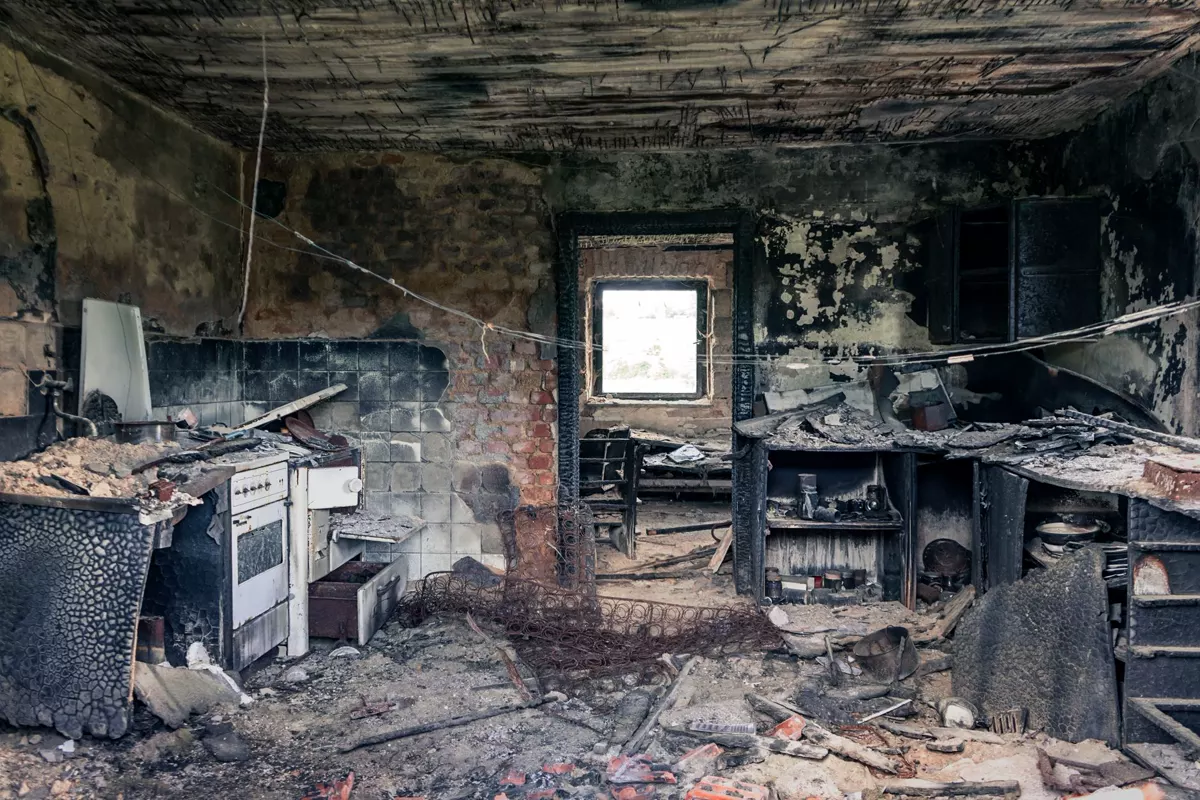
Soot cleanup should be left to professionals because soot is acidic, greasy, and reactive, and wiping it with the wrong method smears it deeper, spreads it to clean areas, and can permanently etch or stain surfaces. Different soot types (dry, wet, protein, and fuel-oil) each require different cleaning methods, and using the wrong one sets the residue instead of removing it. Soot also poses real health risks when disturbed, so professionals use specialized dry-cleaning sponges, solvents, PPE, and HEPA filtration to remove it safely without making the damage worse.
Key takeaways
Soot is acidic and greasy; wiping it with a wet rag smears and sets it, often permanently staining or etching surfaces.
There are four main soot types (dry, wet/smoldering, protein, and fuel-oil), and each needs a different cleaning method.
Using the wrong cleaning method spreads soot to clean areas and turns salvageable surfaces into replacements.
Soot is a respiratory and skin hazard when disturbed, so professionals use PPE and HEPA filtration during removal.
Pros start with dry methods (chemical sponges, HEPA vacuuming) before any wet cleaning, then deodorize the structure and HVAC.
After a fire, soot is everywhere, and the natural instinct is to grab a rag and start wiping. That instinct is exactly what costs Charlotte homeowners the most. Soot is not ordinary dirt, and cleaning it the wrong way usually makes the damage permanent. Here is what soot actually is and why this is a job for professionals.
What soot actually is
Soot is the fine black or brown residue left behind when materials burn incompletely. It is acidic, oily, and chemically reactive, and it is made of microscopic particles that travel with smoke and settle on and into every surface in the home. Because it is acidic, soot keeps reacting with the surfaces it sits on, etching metal, glass, and finishes the longer it stays. That is why time and method both matter so much.
The four types of soot
Not all soot is the same, and the type dictates the cleaning method:
Soot type
Source
Characteristics
Dry soot
Fast, high-heat fires (paper, wood)
Powdery, easier to remove dry
Wet soot
Low-heat, smoldering fires (plastics, rubber)
Sticky, smeary, hard to remove
Protein residue
Burned food, kitchen fires
Nearly invisible, strong odor, discolors finishes
Fuel-oil soot
Furnace puff-backs
Greasy, acidic, spreads widely
Using a method meant for dry soot on wet or protein residue smears it; using water on dry soot grinds it in. There is no single technique that works on all of them, which is the core reason DIY goes wrong.
Why DIY makes it worse
When you wipe soot, especially with a damp cloth, you are not lifting it off. You are:
Smearing acidic, oily residue deeper into the surface.
Spreading soot from contaminated areas onto clean ones.
Setting stains and etching that become permanent.
Turning a cleanable wall, cabinet, or countertop into one that must be repainted or replaced.
The wrong first move can add thousands to the eventual cost.
The health risks of soot
Soot is not just a cleaning problem, it is a health hazard. When disturbed, it becomes airborne, and the fine particles and chemical compounds it carries can irritate the eyes, skin, and respiratory system. This is why the crews we match you with wear protective equipment and run HEPA filtration during removal, and why homeowners should limit their time in a soot-contaminated home until it is cleaned.
How professionals clean soot the right way
The IICRC-certified crews we match you with follow a sequence designed to remove soot without spreading or setting it:
Assess the soot type room by room to choose the right method.
Protect clean areas with containment so residue does not migrate.
Dry-clean first using chemical (dry) sponges and HEPA vacuuming, never water as a first step.
Wet-clean with the correct solvents matched to each surface and soot type.
Clean contents and the HVAC system so residue is not re-spread through the home.
Deodorize the structure to remove the smoke smell soot leaves behind.
Everything is done in protective equipment so the health hazard is handled safely.
For the full fire and smoke recovery process, see our Charlotte fire & smoke damage restoration page. If your home has soot damage, do not wipe it; get help now and the pro we match you with will remove it the right way before it sets.
Damage in Charlotte right now?
Our IICRC-certified crews are on call 24/7. Free assessment, insurance handled.
It is strongly discouraged. Soot is acidic and greasy, and the instinctive move of wiping it with a damp cloth smears the residue deeper into the surface and can permanently stain or etch paint, drywall, and finishes. The correct first step is dry removal with a chemical sponge, not water, and the right method depends on the type of soot. Doing it wrong often turns a cleanable wall into one that has to be repainted or replaced.
What are the different types of soot?+
There are four common types. Dry soot comes from fast, high-temperature fires and is powdery. Wet soot comes from low-heat, smoldering fires and is sticky and smeary. Protein residue comes from burned food and is nearly invisible but has a strong odor and discolors finishes. Fuel-oil soot comes from furnace puff-backs and is greasy and acidic. Each type requires a different cleaning approach, which is why one-size-fits-all DIY fails.
Is soot dangerous to my health?+
Yes, especially when it is disturbed and becomes airborne. Soot contains fine particles and chemical compounds that can irritate the eyes, skin, and respiratory system, and prolonged exposure is a health concern. This is why professionals wear protective equipment and use HEPA filtration during soot removal, and why homeowners should limit their time in a soot-contaminated home.
Why does wiping soot make it worse?+
Soot particles are oily and acidic, so dragging a cloth across them grinds the residue into the surface rather than lifting it off, and it carries soot into pores and onto previously clean areas. On many surfaces this causes permanent staining or etching. Professionals remove soot dry first, with chemical sponges and HEPA vacuums, precisely to avoid smearing it.
How do professionals clean soot after a fire?+
Professionals assess the soot type, protect unaffected areas, and start with dry methods like chemical sponges and HEPA vacuuming before any wet cleaning. They use the right solvents for each surface and soot type, clean contents and HVAC systems so residue is not re-spread, and finish with deodorization. The whole process is done in protective equipment to handle the health hazard safely.