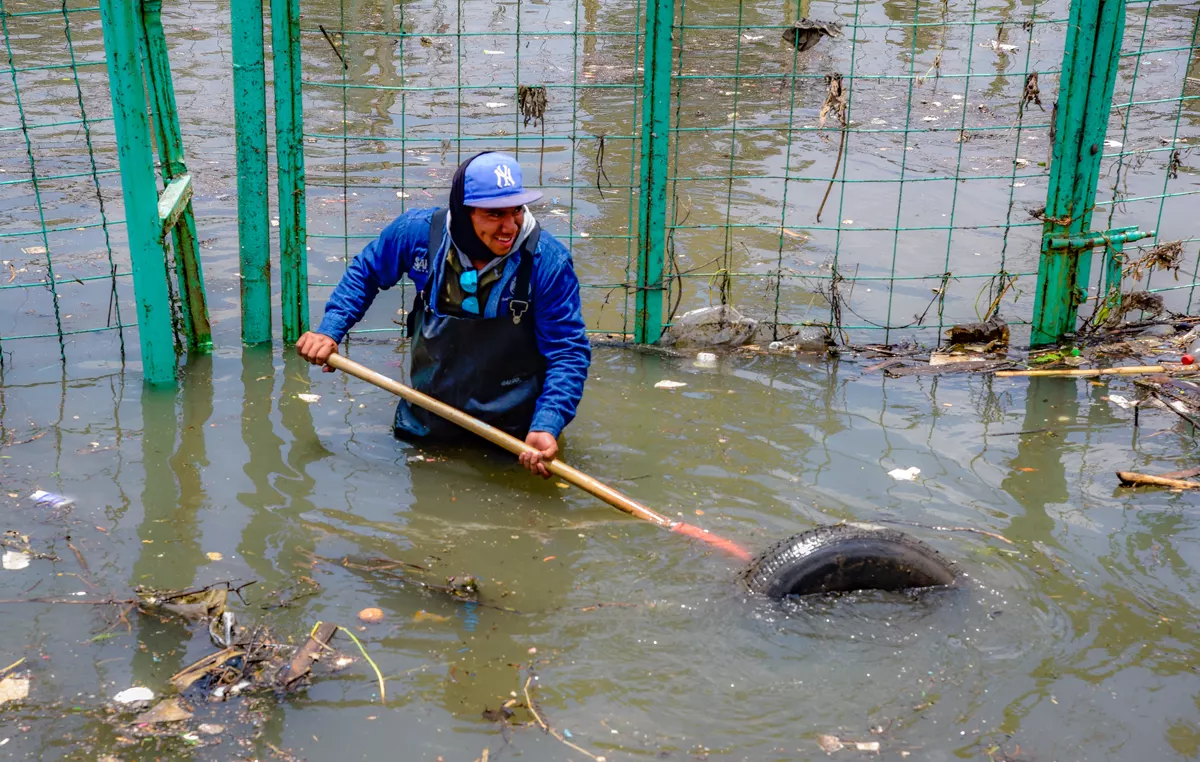
Water damage is classified into three categories by how contaminated the water is. Category 1 is clean water from a sanitary source like a supply line. Category 2 is gray water with some contamination, such as washing-machine overflow or a dishwasher discharge. Category 3 is black water that is grossly contaminated, including sewage backups and creek or storm flooding. The category determines the health risk, what can be saved, the cleanup procedure, and the cost, and it can change if clean water sits too long.
Key takeaways
Category 1 is clean water from a sanitary source; it poses little health risk if dried quickly and is the cheapest to remediate.
Category 2 is gray water carrying some contamination (appliance overflow, sump pump failure) and requires antimicrobial treatment.
Category 3 is black water that is grossly contaminated (sewage backups, creek and storm flooding) and requires containment, full PPE, and disposal of porous materials.
In Charlotte, water from Sugar, Briar, and Little Sugar Creek overrunning into homes is treated as Category 3 black water.
Categories escalate over time: clean Category 1 water that sits more than 24 to 48 hours can degrade to Category 2 or 3 as bacteria grow.
Not all water damage is equal. Restoration professionals grade every loss into one of three categories based on how contaminated the water is, and that single grade drives everything that follows: the health risk, what can be saved, the cleanup procedure, the cost, and how your insurance claim plays out.
Washing-machine or dishwasher overflow, sump-pump failure, toilet overflow (urine, no solids)
Can cause illness
Extract, antimicrobial treatment, remove some porous materials
Category 3
Black water
Sewage backup, creek and storm flooding, rising groundwater
Serious hazard
Containment, full PPE, remove porous materials, disinfect, verified drying
Cost scales with category. A small Category 1 single-room dry-out typically runs $1,500 to $3,500 in Charlotte. Category 2 jobs and finished basements commonly run $8,000 to $25,000. Large Category 3 losses generally start at $25,000 and go up because of disposal, containment, and labor.
Category 1: clean water
Category 1 comes from a sanitary source and contains no significant contaminants. Think of a broken copper supply line, an overflowing bathtub of clean water, or a roof leak during rain. Caught quickly, the health risk is low and most materials can be dried and saved rather than torn out. The key word is quickly, because clean water does not stay clean.
Category 2: gray water
Gray water carries some contamination and can make you sick if you ingest it or it contacts broken skin. Typical Charlotte sources are washing-machine and dishwasher overflows, sump-pump failures, and toilet overflow that contains urine but no solid waste. Category 2 cleanup adds antimicrobial treatment, and porous materials that soaked it up often have to be removed rather than dried.
Category 3: black water
Category 3 is grossly contaminated and a genuine health hazard. It includes sewage backups, rising groundwater, and surface flooding. In Charlotte, this is the category that matters most during storm season: when Sugar Creek, Briar Creek, or Little Sugar Creek overrun their banks and water enters a home, that water is full of soil, bacteria, chemicals, and sewage, so it is always treated as black water.
Category 3 cleanup is the most involved:
Containment barriers to keep contamination from spreading
Full PPE for the crew
Removal and disposal of carpet, pad, drywall, and other porous materials it touched
Antimicrobial disinfection of all affected surfaces
Verified drying with daily moisture readings
How categories escalate over time
A category is not fixed at the moment of the loss. Clean Category 1 water degrades as it sits. After roughly 24 to 48 hours, bacteria multiply and contact with flooring, drywall, and building soils can push clean water to Category 2 or even Category 3. That escalation is why fast extraction is not just about preventing mold, it is about keeping the job in the cheaper, safer category.
Why the category matters for insurance
Most North Carolina homeowners policies cover sudden, accidental water damage regardless of category, and the crew we match you with bills the carrier directly so you typically pay only your deductible. The wrinkle is surface flooding: Category 3 from creeks or storm runoff is usually excluded from a standard homeowners policy and needs separate NFIP or private flood coverage. Documenting the correct category and source is part of how the pro we match you with makes sure your claim is filed the right way the first time.
If you are unsure which category you are dealing with, do not handle it yourself, especially with gray or black water. The IICRC-certified crews we match you with identify the category on site and treat it to standard. If water is already in your home, our what to do after water damage checklist covers the first-hour steps. See our Charlotte water damage restoration page for the full process, or get help now and we will connect you with a local crew right away.
Damage in Charlotte right now?
Our IICRC-certified crews are on call 24/7. Free assessment, insurance handled.
What is the difference between Category 1, 2, and 3 water damage?+
Category 1 is clean water from a sanitary source, such as a burst supply line or an overflowing sink with no contaminants. Category 2 (gray water) carries some contamination, like washing-machine or dishwasher discharge, and can make you sick. Category 3 (black water) is grossly contaminated, including sewage backups and creek or storm flooding, and is a serious health hazard. The category sets the cleanup procedure and what can be salvaged.
Is creek flooding in Charlotte considered black water?+
Yes. Floodwater from Sugar Creek, Briar Creek, Little Sugar Creek, or storm runoff entering a home is treated as Category 3 black water. It carries soil, sewage, chemicals, and bacteria, so it requires containment, full personal protective equipment, removal of porous materials it touched, and antimicrobial disinfection. It is never safe to clean up with household supplies.
Can clean water become contaminated over time?+
Yes. Category 1 clean water degrades as it sits. After about 24 to 48 hours, bacteria multiply and the temperature, materials, and contact with the building can push it to Category 2 or even Category 3. This is one of the biggest reasons to start extraction and drying fast, because waiting can turn a simple job into a hazardous one.
Does the water category affect what insurance covers?+
The category does not by itself decide coverage, but it shapes the claim. Most North Carolina homeowners policies cover sudden, accidental events regardless of category, and the crew we match you with bills the carrier directly. However, Category 3 from surface flooding (creeks, storm runoff) is usually excluded from a standard policy and needs separate NFIP or private flood coverage. The crew we match you with documents the category and source so your claim is filed correctly.
Which water category is the most expensive to clean up?+
Category 3 black water is the most expensive. It requires containment barriers, full PPE, removal and disposal of porous materials like carpet and drywall it contacted, antimicrobial disinfection, and verified drying. Charlotte ranges for large Category 3 losses commonly start at $25,000 and climb, while a small Category 1 single-room dry-out typically runs $1,500 to $3,500.