How to prevent water and flood damage to your Charlotte home
By DamagePros Direct•
Quick answer
To prevent water and flood damage to a Charlotte home, keep gutters clean and slope the ground away from the foundation, install a sump pump with a battery backup, insulate exposed pipes before deep freezes, put smart leak detectors near water heaters and washers, replace rubber appliance hoses with braided steel, know whether you sit near Sugar, Briar, or Little Sugar Creek, and carry a flood policy because homeowners insurance does not cover surface flooding. These steps stop the most common Charlotte water losses before they start.
Key takeaways
Most Charlotte water damage is preventable: clogged gutters, poor grading, frozen pipes, and failed appliance hoses cause the majority of avoidable losses.
A sump pump is only as reliable as its backup; add a battery backup so it still runs during the storm-driven power outages that cause flooding.
Charlotte's December 2025 deep freeze burst pipes across the metro; insulating exposed pipes and dripping faucets during a freeze is cheap insurance.
Smart leak detectors near water heaters, washing machines, and under sinks catch slow leaks before they become a Category 2 loss.
Homeowners insurance does not cover surface flooding; if you're near Sugar, Briar, or Little Sugar Creek, a separate NFIP or private flood policy is essential.
Most of the water damage the crews we match respond to in Charlotte was preventable. Clogged gutters, a sump pump with no backup, an uninsulated pipe in a freeze, a fifteen-year-old washer hose: these cause the majority of avoidable losses. Here’s how to get ahead of them.
Manage water around your foundation
The cheapest, highest-impact prevention happens outside. Water that pools against your house finds its way in.
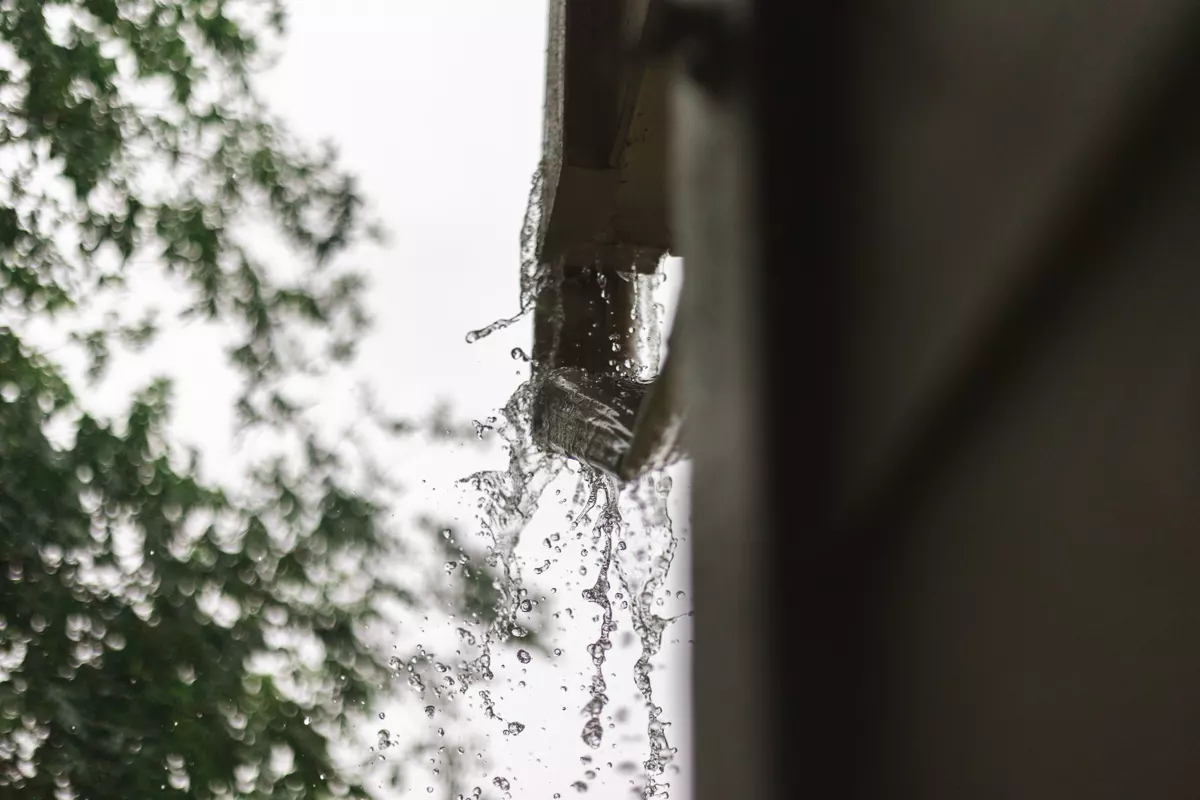
Clean your gutters at least twice a year, more if you have heavy tree cover. Clogged gutters overflow against the foundation.
Extend downspouts four to six feet away from the house so runoff doesn’t dump next to the basement wall.
Check your grading. The soil around your foundation should slope away from the house, dropping about six inches over the first ten feet. Flat or reverse grading channels water straight to your foundation.
Seal foundation cracks before they become entry points during heavy Charlotte downpours.
Protect the basement: sump pump + backup
If you have a basement or crawl space, a sump pump is your last line of defense against the groundwater that causes a flooded basement, and it fails at the worst possible time.
The problem: the storms that cause flooding also knock out power, and a sump pump with no power is just a hole in the floor. Add a battery backup (or a water-powered backup) so it keeps running during outages. Test the pump a couple of times a year by pouring water into the pit, and keep the discharge line clear. If you’ve flooded before, a second pump on a higher float is cheap peace of mind.
Freeze-proof your pipes
Charlotte winters are usually mild, which is exactly why people get caught off guard. The December 2025 deep freeze burst pipes across the metro because so many homes had exposed, uninsulated plumbing.
Before the next hard freeze:
Insulate exposed pipes in crawl spaces, garages, attics, and exterior walls with foam pipe sleeves.
Seal drafts near those pipes so cold air can’t reach them.
During a freeze warning, let a faucet drip and open cabinet doors under sinks on exterior walls so warm air circulates.
Disconnect garden hoses and shut off and drain exterior spigots.
Catch leaks early with detectors and hoses
Slow leaks do quiet, expensive damage. A small undetected leak behind a wall or under a heater can become a Category 2 restoration before you ever see it.
Where to protect
What to do
Water heater
Place a smart leak detector in the drip pan; replace heaters over 10-12 years old
Washing machine
Swap rubber hoses for braided steel; add a leak detector behind it
Under sinks & dishwasher
Leak detectors on the cabinet floor; check supply lines for corrosion
Sump pit
Detector on the float to warn before overflow
Whole home
Consider a smart shutoff valve that cuts the main supply on a leak
Smart leak detectors are inexpensive and alert your phone instantly. Replace rubber appliance supply hoses roughly every five years with braided stainless steel versions, which are far more burst-resistant.
Know your flood risk near Charlotte’s creeks
Charlotte has real surface-flooding exposure along Sugar Creek, Briar Creek, and Little Sugar Creek, and low-lying neighborhoods can flood during heavy rain even outside a mapped flood zone. Here’s the part that surprises most homeowners: standard homeowners insurance does not cover surface flooding. A burst pipe is covered; a creek overrunning its banks is not.
If you live near a creek or in a low-lying area:
Buy a separate NFIP or private flood policy (there’s typically a 30-day waiting period, so don’t wait for the forecast).
Keep valuables and electronics off basement and ground-level floors during storm season.
Have a plan for moving cars to higher ground when flash-flood warnings hit.
A simple seasonal checklist
Run through this twice a year:
Clean gutters and confirm downspouts extend away from the house.
Check that grading still slopes away from the foundation.
Test the sump pump and confirm its battery backup works.
Inspect appliance hoses; replace rubber with braided steel on a five-year cycle.
Verify leak detectors have working batteries.
Before winter, insulate exposed pipes and locate your main shutoff valve.
Confirm your flood policy is current if you’re near a creek or low-lying area.
Prevention handles most losses, but when water does get in, speed is everything, mold can start within 24 to 48 hours in Charlotte’s humidity. If a storm has already flooded your home, our companion guide on what to do during and after a flood walks through the response. We run free 24/7 matching and connect you with a local IICRC-certified crew that is often on site within about an hour. Learn more on our Charlotte water damage restoration page, and if you’re dealing with water right now, get help now and we will match you with a local crew right away.
Damage in Charlotte right now?
Our IICRC-certified crews are on call 24/7. Free assessment, insurance handled.
How do I prevent flooding in my Charlotte basement?+
Keep gutters clean and extend downspouts at least four to six feet from the foundation, regrade soil so it slopes away from the house, seal foundation cracks, and install a sump pump with a battery backup. If your basement is finished or you've flooded before, add water leak detectors near the floor. These steps address the runoff and groundwater that cause most Charlotte basement flooding.
Does homeowners insurance cover flood damage in Charlotte?+
Standard North Carolina homeowners insurance covers sudden, accidental water damage like a burst pipe, but it does not cover surface flooding from creeks, heavy rain runoff, or storm surge. For that you need a separate NFIP or private flood policy. If you live near Sugar, Briar, or Little Sugar Creek, or in any low-lying area, a flood policy is strongly recommended even outside a mapped flood zone.
How do I keep my pipes from freezing in Charlotte?+
Insulate exposed pipes in crawl spaces, garages, and exterior walls with foam sleeves, seal drafts near those pipes, and during a hard freeze let a faucet drip and open cabinet doors so warm air reaches the plumbing. Charlotte's December 2025 deep freeze burst pipes across the metro, so these steps matter even though our winters are usually mild.
Are smart water leak detectors worth it?+
Yes. Smart leak detectors are inexpensive and place near the highest-risk spots: water heaters, washing machine hoses, under sinks, and near sump pumps. They alert your phone the moment they sense moisture, and some can automatically shut off your main water supply. Catching a slow leak early is the difference between a quick fix and a multi-thousand-dollar Category 2 restoration.
How often should I replace washing machine and appliance hoses?+
Replace rubber washing machine, dishwasher, and ice-maker supply hoses about every five years, and swap them for braided stainless steel hoses, which are far more burst-resistant. A failed washer hose can release hundreds of gallons while you're away. Check the manufacture date and look for any bulging, cracking, or rust before it fails.