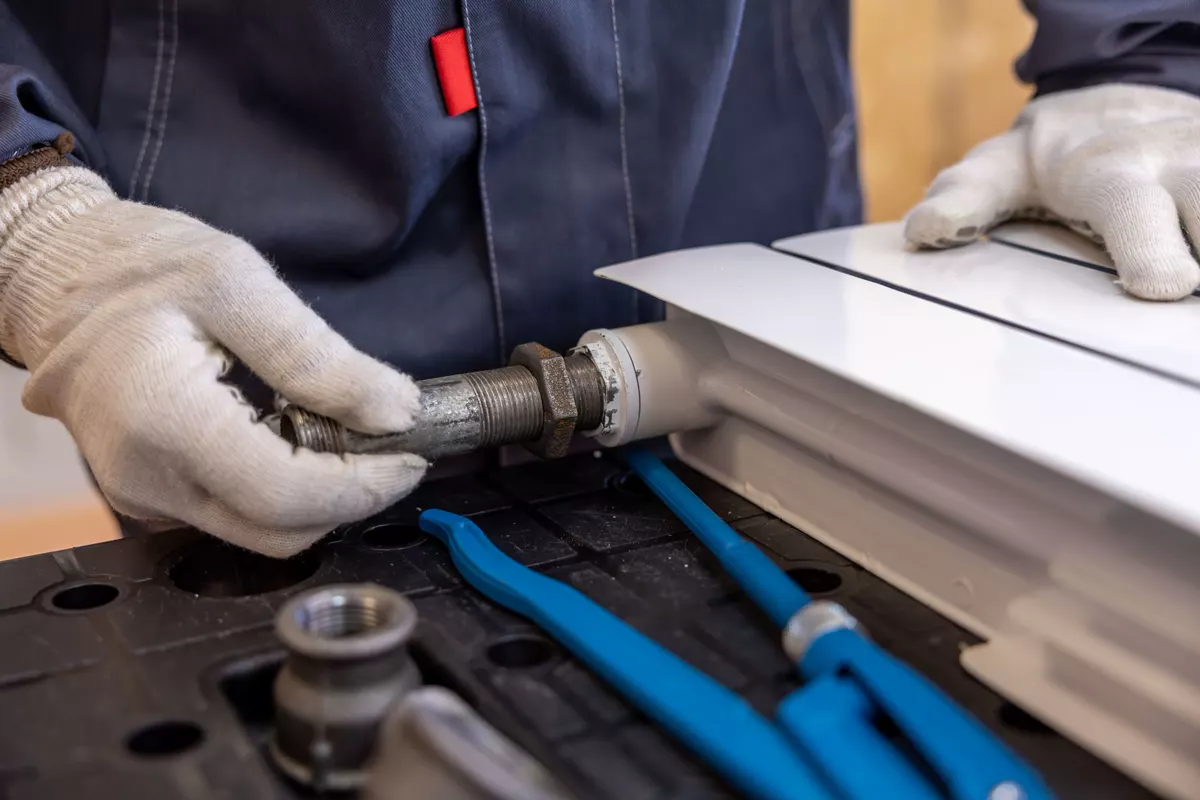
If a pipe bursts, shut off your home's main water valve immediately, then cut power to wet areas if it's safe to reach the panel. Document the damage with photos and video, open your insurance claim, and call an IICRC-certified restoration crew to extract the water and begin drying. A burst pipe is a classic sudden-and-accidental event, so it's typically covered by North Carolina homeowners insurance, and you usually pay only your deductible while the crew bills the carrier directly.
Key takeaways
First move: shut off the main water valve, then cut power to wet areas if you can reach the panel safely.
The main shutoff is usually where the water line enters the home, near the water heater, in the garage, or at the crawlspace.
Charlotte's December 2025 deep freeze caused a wave of pipe bursts; freeze-related bursts are still covered as sudden events.
Burst pipes are typically covered by NC homeowners insurance; you usually pay only your deductible.
Professional structural drying runs about three to five days; air-drying alone leaves hidden moisture that causes mold.
Prevent the next one: insulate exposed pipes and let faucets drip during hard freezes.
A burst pipe can dump dozens of gallons into your home in minutes, so the right first moves matter. Here is exactly what to do, why Charlotte sees a burst-pipe spike in winter, and how to keep it from happening again.
Stop the water and make it safe
Your first job is to stop the flow and remove the shock hazard:
Shut off the main water valve. This stops the source. Do this before anything else.
Cut power to wet areas at the breaker panel, but only if you can reach it without standing in water.
Open faucets at the lowest point in the house to drain remaining pressure from the lines.
Get people and pets clear of the wet area.
Don’t wade through standing water that may be touching outlets or appliances.
Where to find your main shutoff valve
In most Charlotte homes the main shutoff is where the water line enters the house. Common spots:
Near the water heater
In the garage or a utility closet
At the crawlspace entry or against a front exterior wall
A meter shutoff at the curb (needs a meter key)
Find and tag it now, before an emergency. When a pipe is spraying, you do not want to be hunting for the valve.
Photograph and video the burst pipe, the water, and every damaged area before cleanup.
Open your insurance claim the same day.
Get matched with an IICRC-certified crew to extract the water and begin drying. We run free 24/7 matching and connect you with a local crew that is often on site within about an hour across the Charlotte metro.
A burst pipe is a textbook sudden-and-accidental event, so it is typically covered by North Carolina homeowners insurance. On a covered claim you usually pay only your deductible while the crew we match you with bills the carrier directly.
The December 2025 deep-freeze burst wave
Charlotte’s December 2025 deep freeze drove a wave of pipe bursts across the metro as temperatures dropped sharply and water froze, expanded, and split pipes in crawlspaces, garages, and exterior walls. Freeze-related bursts are still sudden events, so they are generally covered, but they also tend to come all at once, which is exactly when fast professional response matters most. If your home took freeze damage, the same response applies: shut off the main, document, and call.
Drying timeline and why it matters
Mopping up the visible water is not the same as drying the structure. Water wicks into drywall, baseboards, subfloor, and framing, and that hidden moisture is what causes mold and rot.
Extraction: standing water removed on day one.
Structural drying: roughly three to five days with industrial air movers and dehumidifiers.
Daily metering: the crew measures moisture until the structure hits a verified dry standard.
Fans and air-drying alone cannot reach the moisture inside materials, which is why a DIY dry-out so often leads to a mold problem weeks later.
Prevent the next burst
Charlotte winters are usually mild, which is exactly why so many homes have under-protected pipes when a hard freeze hits. To prevent the next one:
Insulate exposed pipes in crawlspaces, garages, and exterior walls.
Disconnect garden hoses and drain outdoor spigots before winter.
During a hard freeze, let a faucet drip and open cabinet doors so warm air reaches the plumbing.
Keep the heat on even when you are away.
For the full emergency response process, see our Charlotte water damage restoration page. If a pipe just burst, get help now and we will match you with a local crew right away to start mitigation.
Damage in Charlotte right now?
Our IICRC-certified crews are on call 24/7. Free assessment, insurance handled.
Shut off your home's main water valve to stop the flow, then cut power to the affected areas at the breaker if you can reach the panel without standing in water. Once it's safe, start documenting the damage with photos and video, open your insurance claim, and call a restoration crew. Stopping the water source first prevents the loss from getting bigger by the minute.
Where is my main water shutoff valve in a Charlotte home?+
It's typically located where the water line enters the house: near the water heater, in the garage, in a utility closet, in the crawlspace, or sometimes at the front of the home near an outside wall. There's also a meter shutoff at the street curb. It helps to find and tag your valve before an emergency so you're not searching while water pours in.
Does insurance cover a burst pipe in Charlotte?+
Yes, in almost all cases. A pipe that suddenly bursts, including from a hard freeze, is a sudden-and-accidental event that standard North Carolina homeowners policies cover. The resulting damage to floors, walls, and contents is typically covered, and you pay your deductible while the crew we match you with bills the carrier directly. A pipe that had been leaking slowly for a long time is the main exception.
How long does it take to dry out after a burst pipe?+
Professional structural drying usually takes about three to five days, depending on how much water escaped, what materials got wet, and how far the water migrated. The crew we match you with uses industrial air movers and dehumidifiers and meters the moisture daily until the structure hits a verified dry standard. Air-drying or fans alone leave hidden moisture in walls and subfloor that leads to mold.
How do I keep my pipes from bursting in a Charlotte freeze?+
Insulate exposed pipes in crawlspaces, garages, and exterior walls, disconnect garden hoses, and during a hard freeze let a faucet drip and open cabinet doors so warm air reaches the plumbing. Keep the heat on even when you're away. The December 2025 deep freeze showed how fast unprotected pipes fail when temperatures drop sharply.