Signs of hidden water damage behind walls and under floors
By DamagePros Direct•
Quick answer
The most reliable signs of hidden water damage are a persistent musty or earthy smell, warped or cupping floors, bubbling or peeling paint, brown or yellow stains on walls and ceilings, an unexplained jump in your water bill, and faint dripping or trickling sounds inside walls. Because the leak source is usually behind a surface, confirming it takes a thermal camera and a moisture meter, which is why a professional inspection finds damage a visual check misses.
Key takeaways
A lingering musty or earthy smell is often the first sign of hidden moisture, because mold begins growing on damp materials within 24 to 48 hours.
Warped, cupping, or soft floors and bubbling or peeling paint mean water has already soaked into the material, not just the surface.
An unexplained jump in your water bill with no change in usage almost always points to a hidden supply-line leak.
Water hides behind walls, under flooring, in subfloors, around tubs and toilets, and inside HVAC and ceiling cavities, so the visible stain is rarely where the leak starts.
Confirming hidden moisture requires a thermal camera and a moisture meter; a visual-only check routinely misses water trapped inside a wall cavity.
Most water damage announces itself with an obvious flood. The kind that costs the most and grows mold is the kind you cannot see, because it is hidden behind a wall, under a floor, or inside a ceiling. Here are the subtle signs that something is wrong, and where to look.
The subtle signs of hidden water damage
These are the warning signs Charlotte homeowners notice first, usually before any visible water appears:
A musty or earthy smell that does not go away with cleaning. This is the single most common early sign, because mold starts growing on damp material within 24 to 48 hours.
Warped, cupping, or soft flooring. Hardwood that lifts at the edges or a floor that feels spongy underfoot means water has soaked into the boards or subfloor.
Bubbling, peeling, or cracking paint. When moisture pushes out from behind drywall, the paint film lifts. Wallpaper that is separating at the seams is the same story.
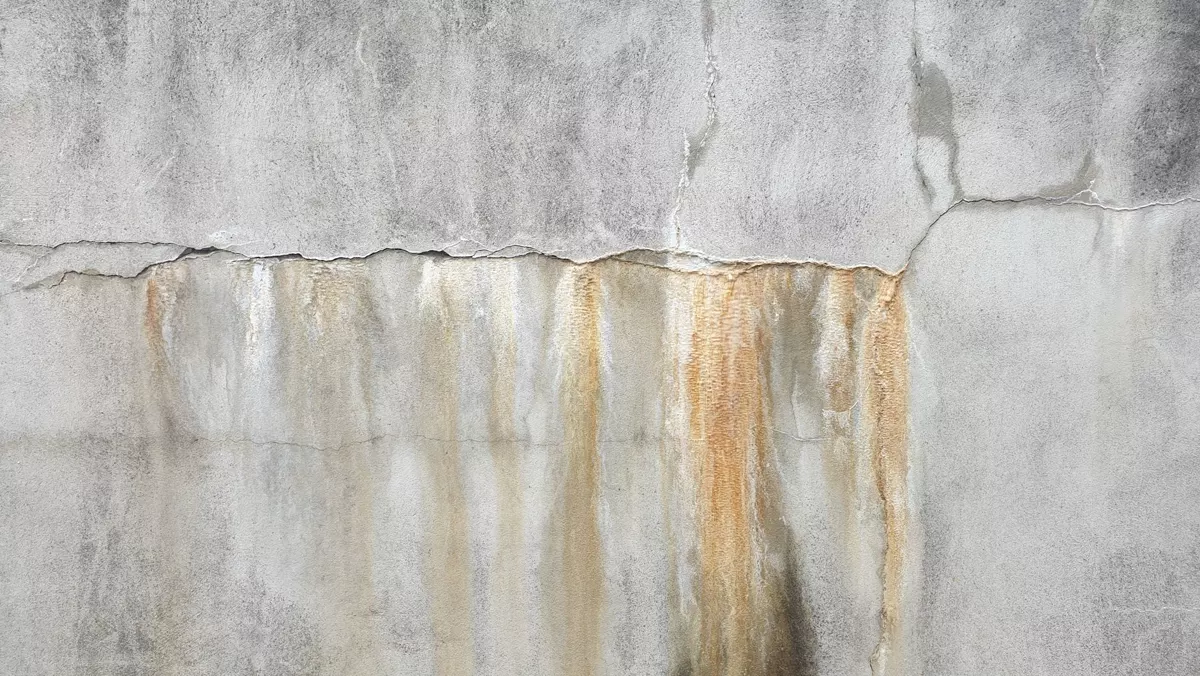
Stains and discoloration. Brown, yellow, or copper-colored rings on walls or ceilings mark where water has pooled and dried, often repeatedly.
A rising water bill. An unexplained jump with no change in how much water you use is a classic sign of a hidden supply-line leak.
Sounds inside the walls. Faint dripping, trickling, or running water when no fixture is on means water is moving somewhere it should not be.
Where water hides in a Charlotte home
The visible sign is rarely where the leak actually starts. Water follows gravity and framing, so it shows up downstream. Common hiding spots include:
In older Charlotte neighborhoods like Dilworth, Plaza Midwood, and Myers Park, pre-1978 construction adds a wrinkle: opening a wall can disturb lead paint or asbestos, so the inspection and containment have to be handled correctly.
How professionals confirm what you cannot see
Your eyes and nose can tell you something is wrong, but they cannot tell you how far the water spread. That takes two tools:
Thermal imaging. An infrared camera reads surface temperature. Wet material holds and conducts heat differently than dry material, so a leak shows up as a cool or distinct pattern through the wall, no demolition required.
Moisture meters. A pin or pinless meter reads the actual moisture content inside drywall, wood, and subflooring. This separates a stain that already dried from an area that is still actively wet.
Together, these let the crew we match you with map the true edge of the damage and open only the materials that need to come out, instead of tearing into a wall on a guess.
Why finding it early matters so much
Hidden water damage gets more expensive the longer it sits, for two reasons. First, mold begins within 24 to 48 hours in Charlotte’s humidity, turning a drying job into a remediation job. Second, insurance treats a slow, undetected leak very differently than a sudden burst. A burst pipe is usually covered; a leak that ran for months is often denied as chronic seepage. Catching the subtle signs early protects your home and your claim at the same time.
If your home has any of these signs, do not wait for a stain to spread. The IICRC-certified crews we match you with use thermal imaging and moisture mapping on every inspection. Learn more on our Charlotte water damage restoration page, or get help now and a dispatcher will reach out right away.
Damage in Charlotte right now?
Our IICRC-certified crews are on call 24/7. Free assessment, insurance handled.
It usually smells musty, earthy, or like a damp basement. That odor comes from mold and mildew feeding on wet drywall, wood, or insulation inside a wall or floor cavity. If a room smells damp even when it looks dry, treat it as a sign of trapped moisture and have it inspected.
Can water damage be behind a wall with no visible stain?+
Yes. Water often travels inside a wall cavity, soaks the back of the drywall and the framing, and grows mold long before a stain appears on the painted surface. A musty smell, a soft or cool spot on the wall, or peeling paint can all show up before any visible water mark. A thermal camera and moisture meter confirm it.
How do professionals find a leak inside a wall?+
The crews we match you with use an infrared thermal camera to spot the temperature difference wet material creates, then confirm with a pin or pinless moisture meter that reads the actual moisture content inside the wall or floor. This pinpoints the wet area so they open only what they have to, instead of guessing.
Why did my water bill go up with no change in usage?+
A sudden, unexplained increase almost always means a hidden supply-line leak, often under a slab, behind a wall, or in a crawlspace. Run no water for two hours and check whether the water meter still moves; if it does, you have an active leak that needs to be found and stopped before it causes structural damage and mold.
Is hidden water damage covered by homeowners insurance?+
It depends on how long it was leaking. Sudden, accidental damage such as a burst pipe is usually covered by North Carolina homeowners policies, but a slow leak that went undetected for months is often denied as chronic seepage. This is exactly why catching the subtle signs early protects both your home and your claim.