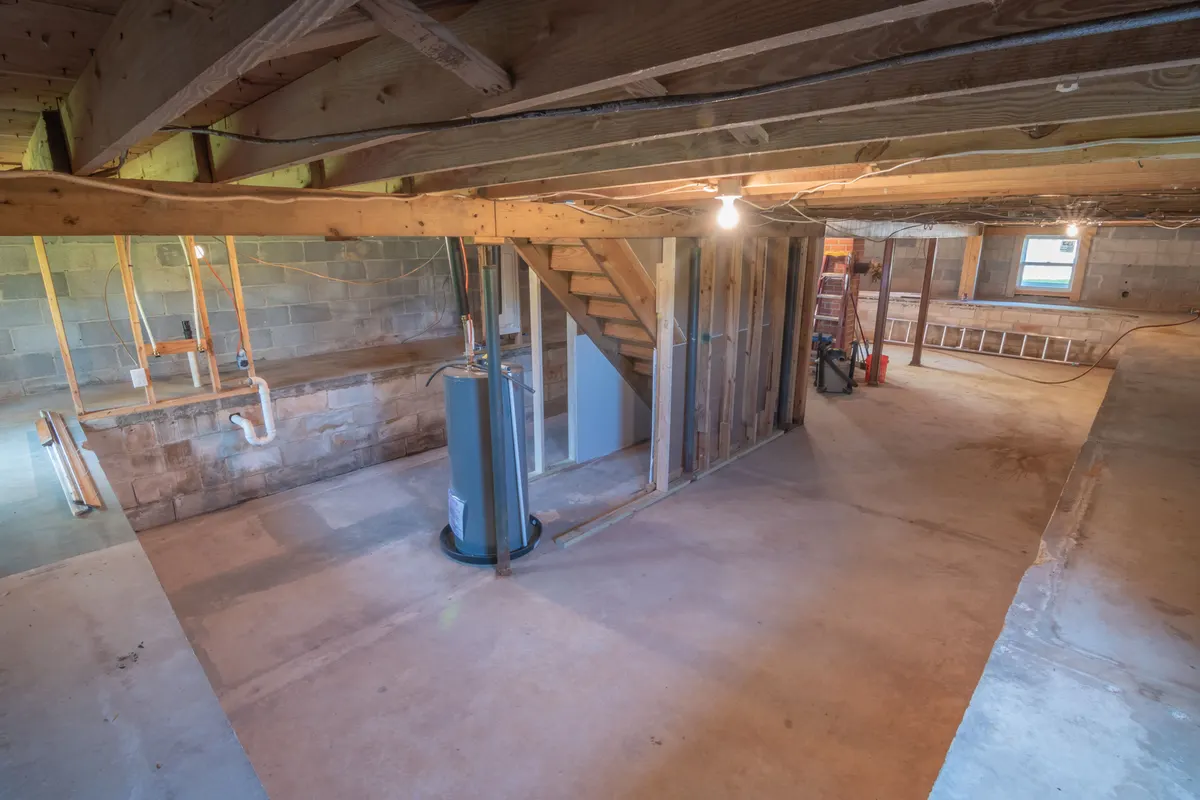
The water has stopped rising, the worst of the storm or overflow looks over—and the next question is not cosmetic. It is whether mold risk after flooding means you should call a restoration team now or wait and see if household fans will be enough.
Waiting while materials stay wet is how a water event becomes a second problem in walls, carpet pad, and cavities you cannot see. This call-vs-wait framework covers what flooding does to a house, which conditions are not a “give it a day” situation, and when a limited wait might be reasonable. It does not invent claim statistics or growth percentages—those vary by event, construction, and how fast drying actually happens.
Flooding Is Not the Same as a Small Spill
A mopped kitchen overflow and a flooded room are different moisture problems.
Flooding—storm water, overflow into living space, a backed-up drain that covered flooring, or a wide burst that soaked multiple rooms—typically means:
- Water traveled horizontally under finishes and into toe-kicks and wall bottoms
- Porous materials (carpet, pad, drywall paper, insulation) stayed wet, not just the surface
- The water type may be dirty (soil, storm runoff, sewage-adjacent), not clean supply water
- Hidden assemblies can remain damp after the floor looks dry
Mold needs moisture, organic material, and time. Finished homes supply the second. Flooding supplies the first. Time is the variable you still control.
In humid climates, including the Charlotte area, indoor moisture can linger even after the visible puddle is gone. That does not require a statistic. It is why “the floor feels dry” is not the same as “the structure is dry.”
What “Wait” Actually Means
Waiting is not a strategy unless something is actively drying.
Waiting while:
- Standing water remains
- Carpet and pad are still soaked
- Drywall is wet at the base
- The HVAC system pulled damp air or took on water
- You can smell a musty change in closed rooms
- You have not stopped the source
…is not waiting. It is allowing wet materials to sit.
A limited wait is only in play when the source is stopped, standing water is gone, affected materials are few and known, air is moving, and you can re-check the same spots instead of hoping. Even then, hidden cavities can fool a household inspection.
If you cannot tell which of those two “waits” you are in, treat it as call.
Call a Restoration Team Now (Do Not Wait This Out)
Request restoration help when any of these are true:
- Standing water or a wide wet area — towels and a box fan are not a drying plan for a flooded room
- Wet carpet, pad, or floating floors — pad holds water against the subfloor; surface-dry carpet can still trap moisture
- Wet drywall, baseboards, or insulation — cavity moisture is not a room-fan problem if baseboards stain, swell, or feel soft
- Dirty water, sewage, or unknown contamination — storm, backup, and silted water change handling; this is not a bleach-the-baseboard project
- HVAC, electrical, or a wet mechanical room — safety and distribution issues; do not wait to “see if it smells later”
- Musty odor, visible growth, or a house you cannot occupy comfortably — you do not need a lab percentage to leave the DIY window
- You cannot dry thoroughly — no extraction, no access to cavities, or layered construction that hides moisture
When a Limited Wait Might Be Reasonable
A short, active watch is more defensible when all of the following are true:
- The source is fully stopped and will not return (failed supply isolated, overflow ended, exterior water receded and is not re-entering)
- The event was small, contained, and clean water
- Standing water was removed quickly
- Affected materials are non-porous or very limited (hard surface, small area) and are already drying
- You can keep air moving and you will re-inspect the same spots (and the other side of the wall/floor if accessible)
- There is no sewage, silt, or unknown contamination
- Electrical and HVAC were not involved
Even in that narrow case, “wait” means watch and dry, not ignore. If odor develops, materials stay cool/damp to the touch, staining spreads, or you lose the ability to keep air moving, you have left the wait column.
When in doubt after flooding, the conservative move is a professional moisture look—not a deadline you invent at the kitchen table.
Why Household Fans Are Not a Restoration Plan
Box fans and opened windows can help after water is extracted and if outdoor humidity is not pumping moisture back in. They do not:
- Pull water from carpet pad and wet insulation
- Map moisture in cavities
- Document drying progress in a way that supports later repair decisions
- Address contaminated water
- Replace materials that cannot be dried in place
Restoration work after flooding is typically mitigation first: extract, handle wet contents, set controlled drying, and check whether materials are actually losing moisture. Rebuild and paint come after. Painting over damp drywall is how the next odor gets trapped.
You do not need final flooring selections to start drying. You need the wet stopped and the structure on a real drying path.
What a Restoration Visit Is For
When you request help, a team typically confirms the source is controlled, extracts remaining water, identifies what is wet beyond the puddle, sets drying equipment, and documents conditions—without inventing what insurance will do. You remain the decision-maker with your insurer if a claim is involved. Coverage depends on your policy and the cause (storm flood vs. sudden indoor water are often different conversations). Ask your carrier how your policy treats the event; use restoration to stabilize the house.
A Practical Call-vs-Wait Card
Condition
Lean
Standing water or large wet area
Call
Soaked carpet / pad / wet drywall
Call
Dirty or unknown water
Call
HVAC or electrical involved
Call
Musty odor or visible growth after the event
Call
Small, clean, contained, already extracted, materials drying, you can re-check
Limited watch — and call if it stalls
You cannot tell how far water went
Call
The table is a map, not a promise that waiting will turn out fine.
How Damage Pros Direct Fits After a Flood
The mechanism after you request help is straightforward:
- You describe what flooded, which rooms are wet, and whether the water was clean, storm-related, or unknown
- You get next steps focused on extraction, drying, and whether the home is past household-fan territory
- Mitigation can start while you handle insurer questions on a separate track
You do not need a finished claim file to ask for a drying plan. After flooding, the mold-risk question is mostly a moisture question. Answering it early is the point of calling.
Request Restoration Help
If flooding has left wet rooms, soaked materials, or a mold-risk situation you cannot dry on your own, request restoration help from Damage Pros Direct—share what happened and which areas are affected so a team can focus on extraction, drying, and next steps instead of a guess-and-wait approach.